
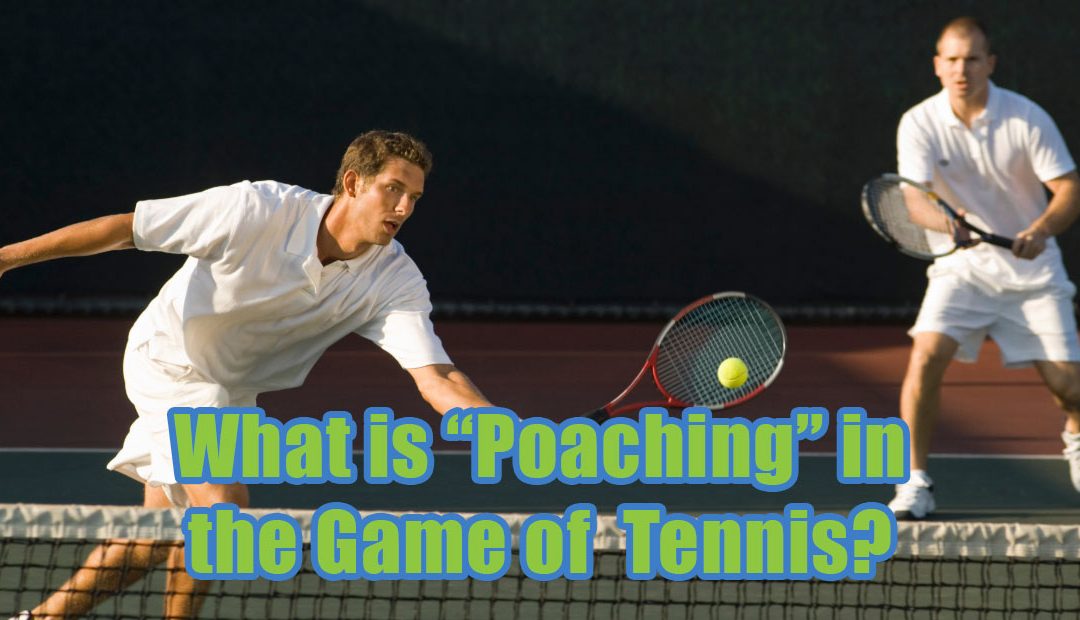
In tennis, poaching refers to an offensive strategy in doubles whereby a player near the net moves across the court to take a shot that would otherwise be directed to their partner. Usually, the poaching player intercepts a crosscourt return or groundstroke and hits the ball before it reaches the baseline player.
For successful poaching, one should not only anticipate the events on the court but also keep up with the precise footwork, reaction time as well as communication with your partner in doubles. When done correctly, poaching might lead to direct hits without the chance for the opponent to reach the ball as well as errors committed by them which will change their usual play. Knowing the timing for poaching, the position on the court as well as the know-how of hitting the volley can make a lot of difference in doubles tennis.
So What Exactly Does Poaching Mean in Tennis?
The poach exists as a technique in tennis defined by the United States Tennis Association, where it consists of taking the ball at the net during a doubles match instead of letting the partner hit it. Usually, one player stands on the baseline while the second person goes up to the net. If the rival plays a crosscourt shot to the baseliner, the player at the net can move sideways to intercept the shot. USTA
Think about a situation involving tennis where the player at the deuce side is about to serve while their partner is standing near the net on the ad side of the same end of the court.
The opposing baseline player returns the serve; the server’s partner advances to the middle and intercepts the return with a volley into space that is not occupied. Poaching does not take place in any ordinary volley; it involves intentionally leaving an original spot to intercept a ball that would otherwise be played by the partner.
Why Is Poaching Important in Doubles Tennis?
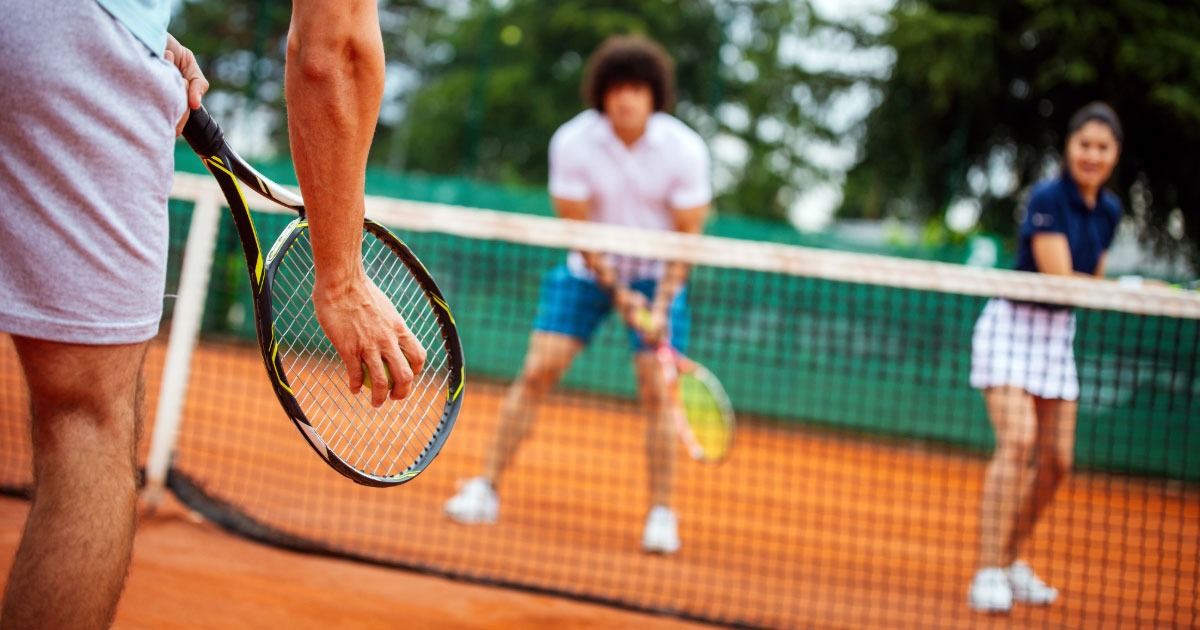
Poaching alters the geometry of the doubles game and obliges opponents to make quicker decisions.
A standard doubles court is 78 feet long and 36 feet wide, while a singles court is 27 feet wide. Each additional alley adds 4.5 feet to the court’s width. The width enables the players to hit passing shots, while the presence of two players on each side allows intercepting the ball before it reaches the baseline. itftennis.com
Creating Offensive Pressure
The poaching technique has several advantages: Reduced response time: When intercepting a ball close to the net on your side, the time available for the opponents to prepare for their next shot can shorten significantly. Improved angle of attack: The volley played close to the net can take the ball in different directions straight into open areas of the court. Errors provoked: The receiver may decide to make difficult attempts to avoid poaching (e.g., the hitter may try to hit a risky down-the-line shot or may go for an extreme shot just a few inches away from the sideline).
Psychological impact: The fear of failure could make an opponent alter their patterns of behavior while returning. Most importantly, it is not mandatory for a poach to bring success immediately. Therefore, it is possible for a poach to be valuable even if it results in a simple backhand volley creating a weak reply by the opponent.
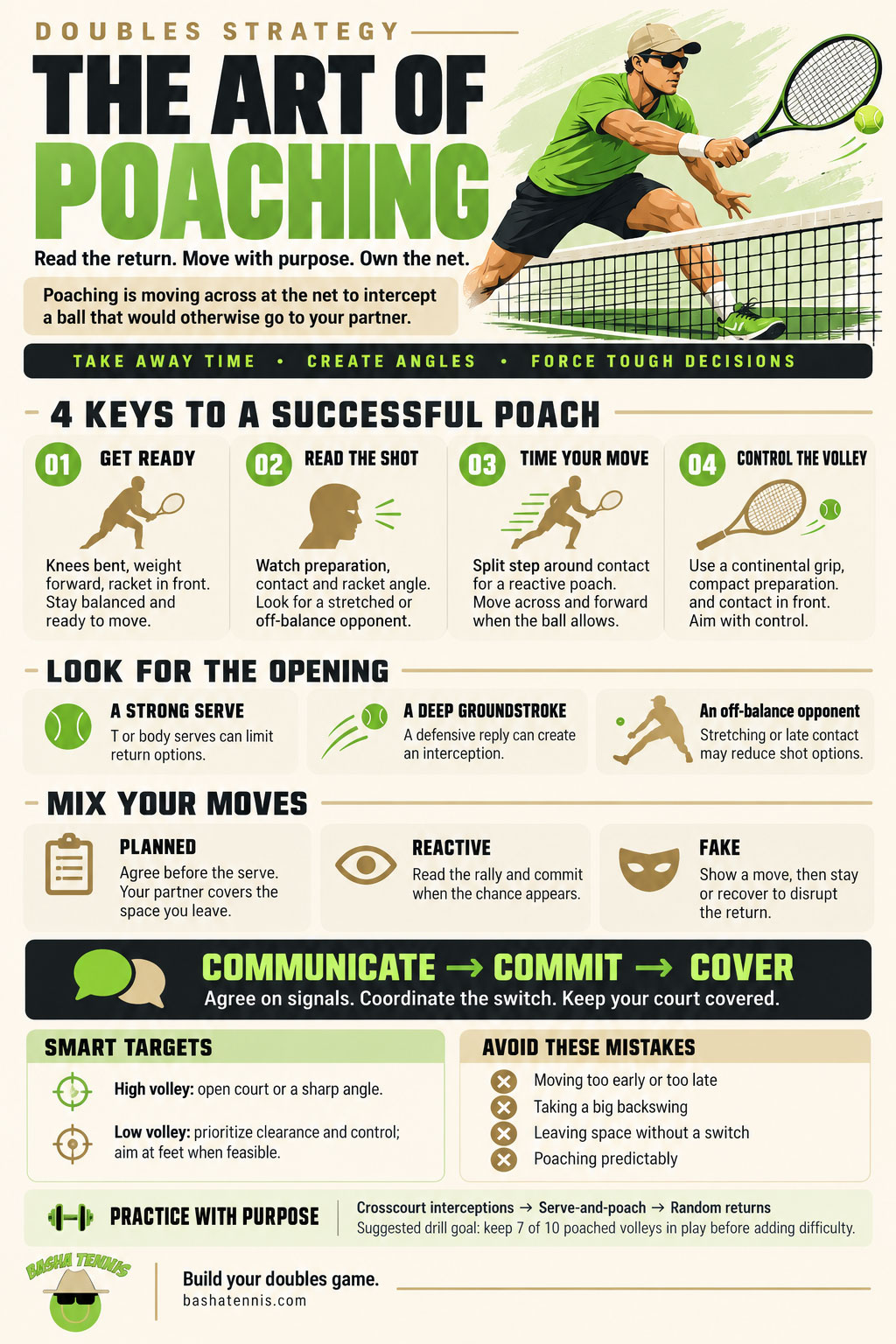
How Do You Execute a Successful Tennis Poach?
Effective poaching depends on four interconnected skills: positioning, anticipation, movement, and volley technique.
Establish the Correct Starting Position
Net players are urged to adopt an athletic and balanced stance near the net to prepare for the shot they are expecting. How exactly the net player places himself changes depending on how the team reads on the serves and strengths of the individual as well as whether the team intends to poach.
The knees must be bent, with the body weight positioned forward and the racket in front. The objective is to ensure that enough lateral movement is retained to enable the player to attack the center, with the partner covering the space left open during a committed poach.
Read Your Opponent’s Shot Preparation
The best poachers have learned to be proactive rather than reactive. One must always watch the opponent’s preparation and body position, as well as the contact point and racket angle throughout the play.
When someone is forced to go wide, to be blocked by their own body, or to hit too late, that person often has fewer playing options. Thus, one may be able to anticipate the reaction in such cases.
However, the shoulder and racket position only give a hint about what the other player is going to do but do not give guarantees. A skilled opponent may confuse the competitor until the moment he hits the ball.
Time the Split Step and Lateral Movement
The split step is a quick, balanced hop that prepares the legs to explode. For reactive poaching, practice timing your split step around the opponent’s contact so that you start moving as soon as you can read the shot. For a premeditated poach, a net player can anticipate and start moving sooner by synchronizing their move with the server’s action and the returner’s preparations.
When necessary, move energetically across the court and forward on a diagonal if the ball’s path allows. A late move means that you may be reaching for the ball instead of making a balanced volley. Moreover, planning your movement is critical, and if you move too early without coordinating with your partner, you risk exposing the doubles alley.
Execute a Controlled Volley
In most cases, poaching volleys are performed using the continental grip. Keep the racket head stable, use the compact way of preparing and hit the ball in front of the body. Do not assume the big backswing that is typical for baseline groundstrokes.
Good poaching volleys are those that provide a good forward movement, a stable racket face, and precise punching. Using too much racket head speed is usually not needed when poaching on close returns.
When Is the Best Time to Poach in Tennis?
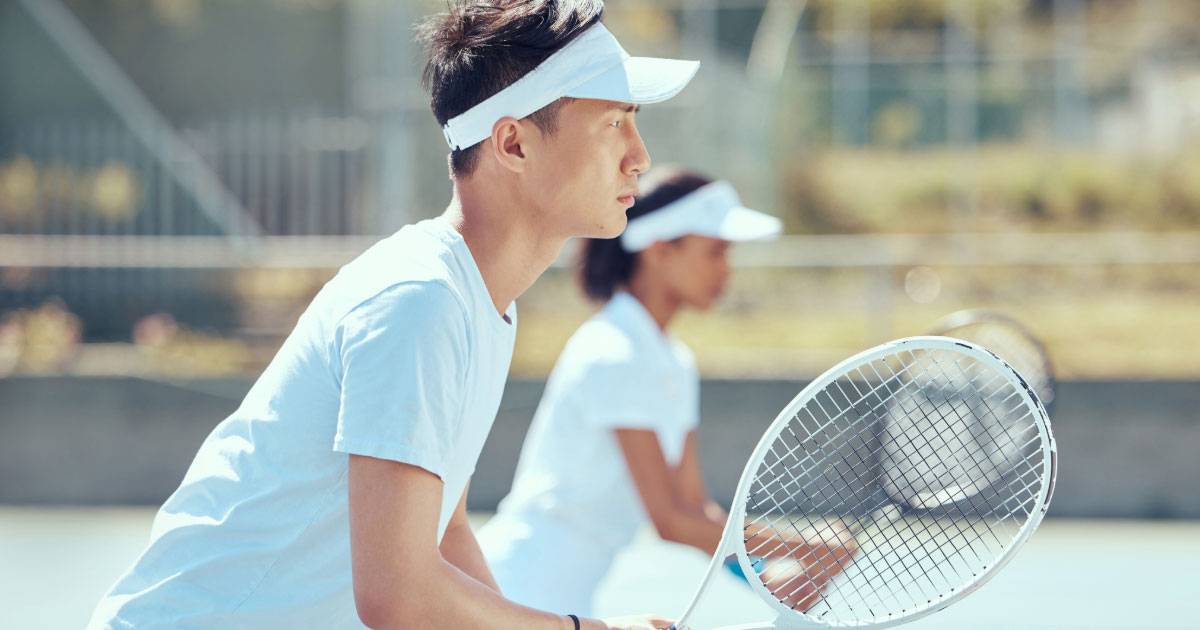
Poaching opportunities depend more on shot quality and opponent positioning than on simply being aggressive.
During a Strong Serve
When a serve is directed toward the T or positioned toward the returning player’s body, it can create an opportunity for a successful poach. Such a serve can limit the ways the returning player can hit the ball back, which makes the interception easier. Even a wide serve can lead to successful interception, though both the server and net player must realize that it can open up return angles.
When Your Partner Hits a Deep Groundstroke
When hit hard and deep into the court, a shot can push the opponent behind the baseline and limit their attacking options. If they return defensively, the net player may receive a slower or higher shot and can follow it up aggressively to win the point.
When the Opponent Is Off Balance
When executing attacking shots, a player’s running, stretching, or awkward ball contact can result in fewer feasible attacking alternatives. Being aware of such scenarios allows the net player to approach the matter aggressively instead of dependently making assumptions. In contrast, poaching carries greater risk when the opponent is capable of preparing for the passing shot effectively and consistently hitting accurate down-the-line shots.
3 Different Types of Poaching
Turns out you can poach your tennis partner’s shot in more ways than one!
#1 Planned Poaching
A planned poach is set up before the serve. The net player indicates that they plan to make a move across the court, while the partner prepares to restore any position left empty. Such a play is helpful when the serving team has learned how to anticipate return patterns.
#2 Reactive Poaching
Reactive poaching occurs when the net player identifies an opportunity during an active rally. It relies on reading the opponent’s contact position, ball trajectory, and available shot angles.
#3 Fake Poaching
A false poach is the act of approaching the middle only to remain in or go back to the previous position. The goal of this move is to throw off the opponent’s decision-making. Combining false and real poaches makes it difficult for the opponent to determine what the net player will do.
How Do Doubles Partners Coordinate Poaching?
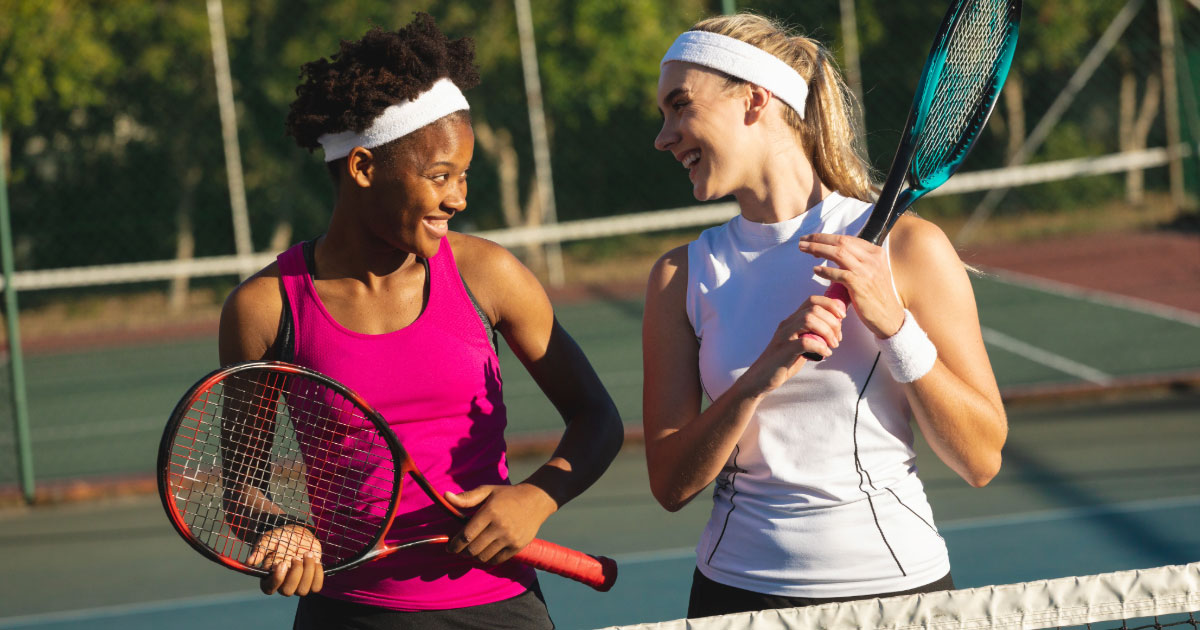
Communication is necessary since poaching modifies court coverage. Generally, teams utilize signals by their net player prior to serving.
For instance, teams may have set a closed fist to imply that they are going to stay, while an open hand means that they are going to poach. These are common conventions rather than official rules, and the couple must agree on their meaning. ALTA Net News Magazine
While the net player gets ready to intercept the shot during a planned poach, the serving player typically moves across to cover the space the net player leaves open. This act of coordination is referred to as switching.
An advanced doubles team might also use I-formation (that involves placing the net player near the center service line in a crouch) and an Australian formation (where both partners start on the same lateral half of their end of the court). I-formation can disguise the net player’s intended movement, while Australian formation changes the receiver’s usual crosscourt return options. usta.com
Where Should a Poaching Tennis Volley Be Directed?
Choosing the ideal point to aim for during a volley depends on the other players’ placement and how high you make contact.
If you hit a poaching volley high, then you can send the ball to a free area or make a sharp shot into the service court. If the ball is hit low, it is better to prioritize control and net clearance, targeting an opponent’s feet when feasible. Doing a volley into the middle can likewise lead to creating uncertainty when both players are far away from each other.
Keep in mind that the net reaches 3 feet in height at the center and 3.5 feet at the doubles posts. While the lower height near the center provides more clearance for volleys directed through that area, it is necessary to keep in mind that a ball’s height and angle are equally important.
What Are the Most Common Poaching Mistakes?
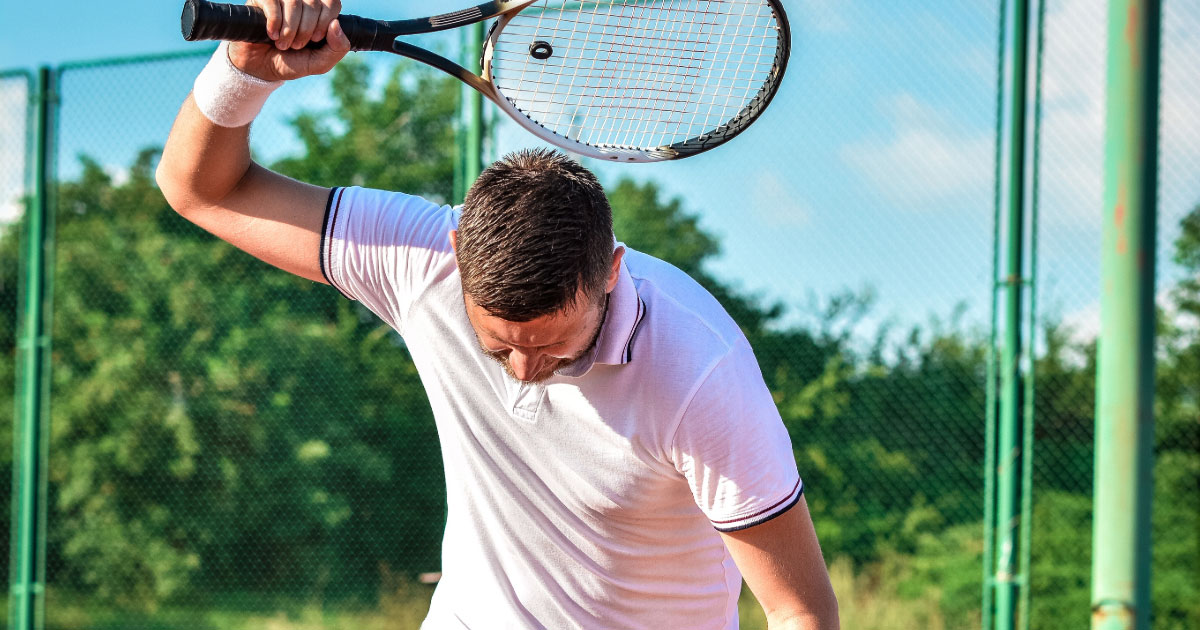
There are several tactical and strategic miscalculations that can affect the success of poaching. Early poach: Providing too much information about the poach may give time to the rivals to adjust their shot. Late poach: If the poaching action is performed too late, the player will be forced to execute an awkward volley with a possible bad contact.
Overdoing the poach: A large backswing can create mistakes when the player has little time to execute the maneuver. Not switching: If the partners do not cooperate, poaching might leave the court open to rivals. Poaching predictably: Making the same action at each point makes the tactics easy to counter.
3 Drills That Help Players Improve Tennis Poaching
#1 Crosscourt Interception Drill
Place one player at the net and the other at the baseline on the same end of the court. The feeder stands across the net and delivers balls crosscourt toward the baseline player while the net player practices moving diagonally to intercept them. Start off the game with predictable feeds and later introduce variations in speed, height, and direction.
#2 Serve-and-Poach Drill
The server delivers balls toward predetermined targets while the net player attempts to intercept the return. Both partners practice switching as the net player commits to crossing. This develops serve placement, anticipation, and coordinated court coverage.
#3 Randomized Decision-Making Drill
Let the player returning serve switch between crosscourt and down-the-line shots without letting the net player know which one is coming. The net player should have to judge when to poach, to pretend he is going to poach, or to stay put.
Keep track of instances of successful poaching, volleys that were kept in play, and lost points due to failed attempts at poaching. As a teaching tool, one suggested goal for players might be to keep at least 7 out of 10 poached volleys in play in controlled drills before increasing the difficulty.
Is Poaching Legal Under Official Tennis Rules?
Yes, in doubles tennis, poaching is permissible if the players abide by the regulations of the International Tennis Federation. Once the designated receiver has returned the serve, either player on each team may hit subsequent shots during the rally. The receiver’s partner may not intercept the serve in place of the designated receiver.
Players and their equipment must not touch the net or the opponent’s court while the ball is in play.
They must normally wait until the ball has passed the net before hitting it. An exception allows a player to reach over when a ball has bounced on their side and spun or blown back over the net. A player’s racket may extend over the net during the follow-through after contact on their own side, provided the return is otherwise legal. itftennis.com
Frequently Asked Questions About Poaching in Tennis
Can Beginners Learn to Poach in Tennis?
Yes. Novices can learn the skills they need for poaching by implementing some simple volley drills, using lateral movement practices, or repeating predictable balls crossed to the other side of the court. Training the players to become dependable volleyers helps them practice intercepting successfully in game situations.
Can You Poach on a Second Serve?
Yes, the server’s partner can poach the return of a second serve. However, second serves can give the returner more opportunity to attack, and successful poaching still depends on factors such as where the serve is placed, what tendencies the returner has, as well as how well the partners communicate. Poaching at the wrong time while trying to counter an aggressive return of serve may create unnecessary risk.
What Is the Difference Between Poaching and Volleying?
The term volley refers to hitting the ball before it touches the ground. The term poaching refers to a tactic in doubles tennis by which a player plays a ball that was originally supposed to be played by the partner. Poaching usually involves volleying, but not all volleys are considered poaching.
How Can You Stop an Opponent From Poaching?
Vary your return placement, sometimes strike it straight down the line, use controlled lobs, and aim your shots right at the poachers’ feet when appropriate. Varying your shot selection keeps the poacher guessing and makes it harder for them to predict your crosscourt returns.
Should You Poach on Every Point in Doubles?
Frequent poaching can result in pressure being applied, but it is reckless for a team to cross without being aware of their opponent’s shot options. The most successful doubles teams are the ones that are able to employ actual poaching and faking poaching and having solid positioning thereby becoming unpredictable.
Improve Your Doubles Strategy With Basha Tennis
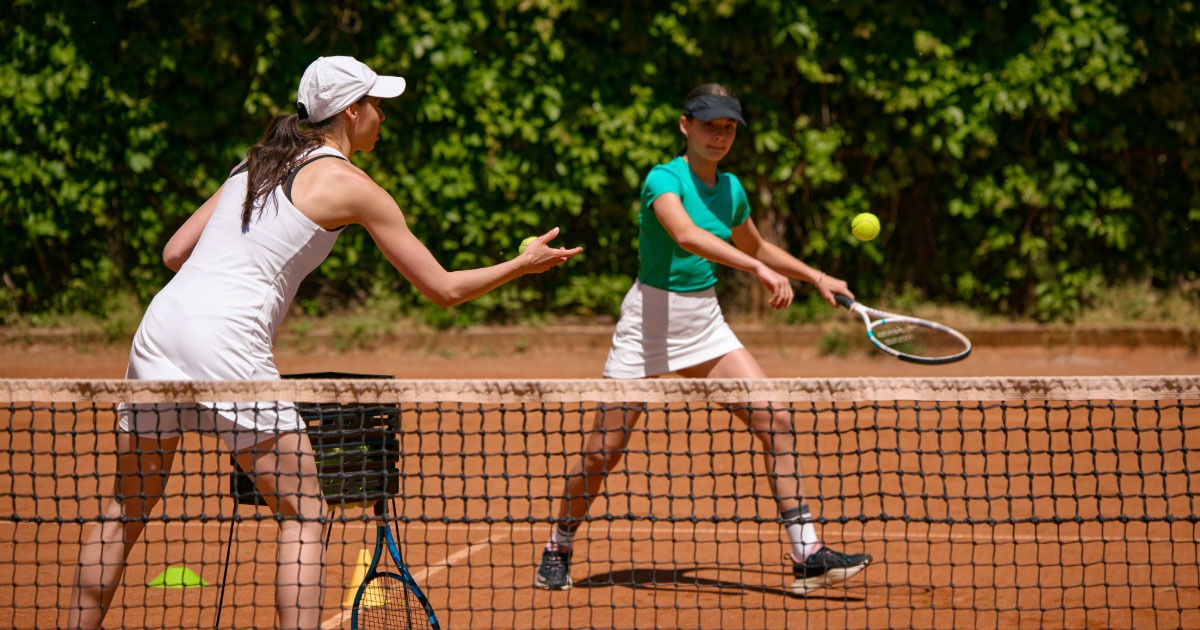
The implementation of the poaching strategy in doubles can be an effective aggressive play because it can change the player’s game from a defensive or neutral one to an offense mode. The basic concepts of poaching include observing the opponent’s behavior, predicting the course of the ball, moving quickly, performing the strokes correctly, and communicating with your partner. Players with these skills can become more effective at the net while playing doubles.
If you want to learn more about doubles strategy, Basha Tennis in Mountlake Terrace, Washington, would be an excellent choice as they provide professional tennis coaching for adults and juniors ages 4 to 18 at various skill levels. bashatennis.com
Check out the adult tennis courses and junior tennis programs if you would like to improve your skills related to tennis technique, movement, and match play. You may visit our blog, glossary, and pickleball facilities. You can reach out to Basha Tennis to learn about its lessons to master doubles.


