

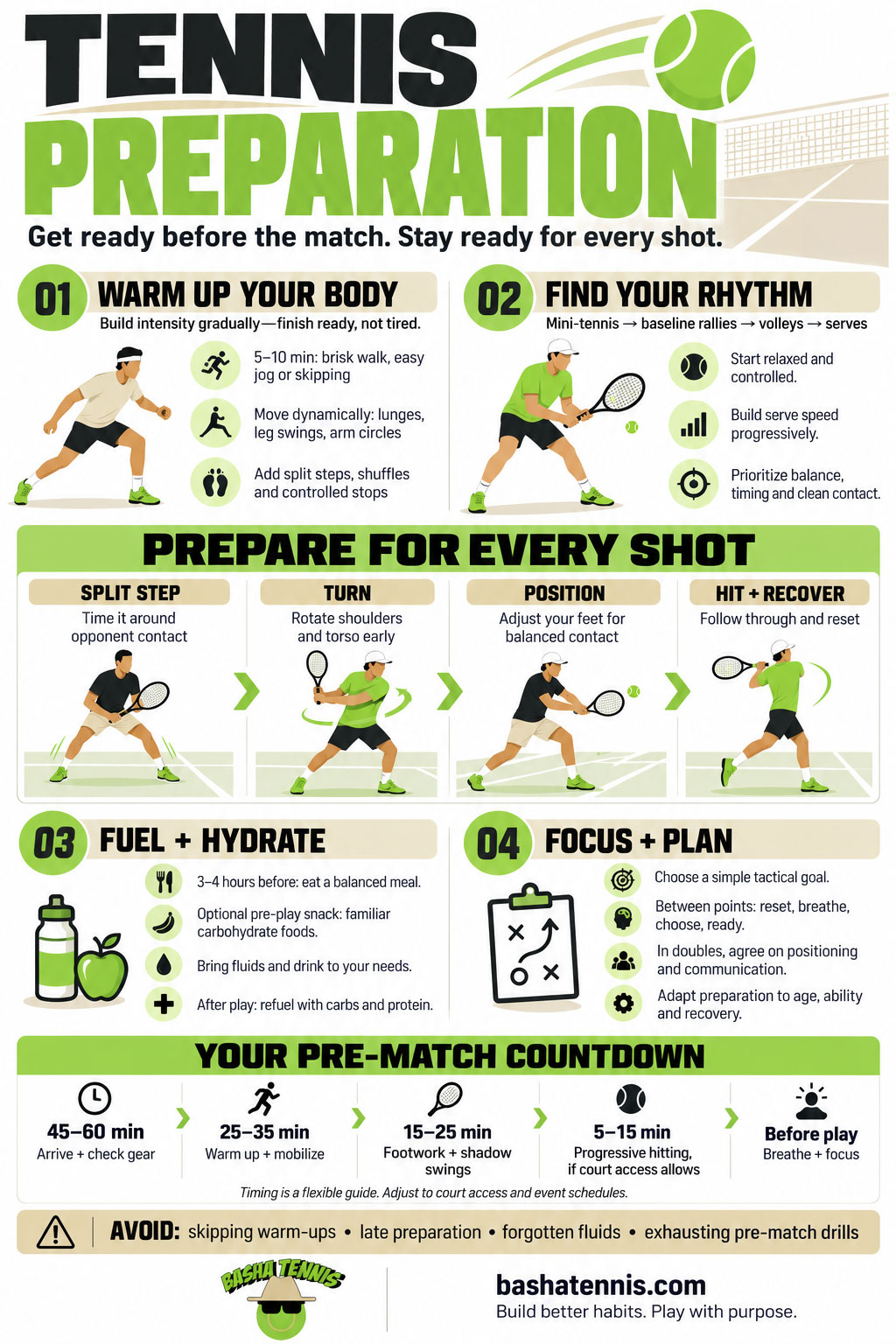
Getting ready for a tennis game involves a lot more than stretching or practicing a few serves. It is a complex process of integrating physical training, technical preparation, footwork, tactical planning, focus, nutrition, and recovery. Regardless of whether you are playing for fun or competing, good preparation can help you perform consistently and reduce the risk of injury.
There is preparation during every rally as the players need to identify the ball that is coming towards them, go to the right position, ready themselves, perform the required stroke, and prepare for the next shot.
The USTA has identified five significant benefits of a good dynamic warm-up. These are: enhance body’s temperature, prepare the cardiovascular system, stretch muscles actively, enhance coordination of movements and prepare the nervous system. These advantages can help to understand that preparation is not something optional but rather something that is vital for tennis performance.
Why Should Tennis Players Take Prep Seriously?
Tennis preparation involves a combination of physical, mental, technical, and tactical actions taken before and during a tennis match. The full preparation process involves many connected factors: Physical preparation: dynamic stretching, mobility training, exercises for strengthening, agility, and injury prevention. Technical preparation: repeating techniques like taking forehands, backhands, serves, volleys, etc. Psychological preparation: working on skills like focus, confidence, emotional control, and rituals.
Tactical preparation: Recognizing strengths and weaknesses, interpreting the tennis court layout, and making smart decisions when attempting to hit specific shots. Nutritional preparation: Fueling adequately, staying hydrated, and ensuring proper recovery. Skilled practitioners utilize these elements combined in the same training program as required, while making continuous changes to the training intensity and volume.
Why Is Proper Tennis Preparation Important?
Improves Performance and Reaction Time
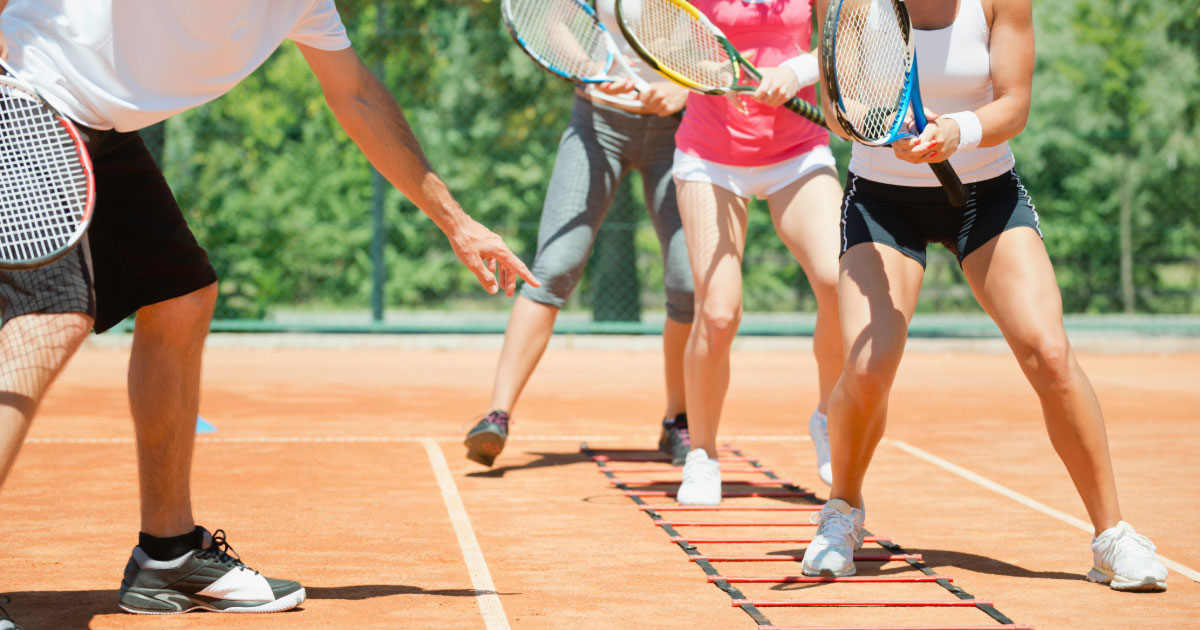
For successful tennis, it is necessary for players to accelerate and decelerate, move laterally, and change direction quickly. They have to be able to take in the information about the speed, spin, and trajectory of the ball and positioning of the opponent to make appropriate movement and perform a stroke correctly.
Dynamic warm-up enables players to activate their neuromuscular system and prepare their body for the competition. Moreover, proper footwork preparation is important for balance and efficient movement on the court.
Helps Reduce Injury Risk
Tennis can place repetitive strain on the shoulders, elbows, wrists, knees, ankles, and lower back. Some common tennis injuries include lateral epicondylitis (tennis elbow), rotator cuff injuries, ankle sprains, muscle strains, and other overuse injuries. Warming up, conditioning, workload management, and proper technique can help reduce injury risk, but this does not remove the risk of injuries when playing tennis. AOSSM
Supports Endurance and Concentration
The impacts of fatigue extend beyond just the speed during running, since fatigue might also affect the positioning of the body, decisions made, stroke mechanics or even concentration levels.
The review article Hydration and Temperature in Tennis: A Practical Review reports that losing as little as 2% of body mass through dehydration can impair exercise performance. For example, for a tennis player who weighs 150 pounds, a 2% loss would equal 3 pounds. A Practical Review
How Should Tennis Players Prepare Physically?
Step 1: Begin With General Cardiovascular Activity
You should aim for a warm-up routine of around 5-10 minutes of gradually ramping up your activity level. This can include lower intensity exercises such as slow jogging, fast walking, skipping, sideways walking, or simply walking backwards. The goal of this warm-up is to increase your blood flow and warm up your muscles, along with prepping your cardiovascular system for the upcoming workout, while not tiring yourself out.
Step 2: Perform Dynamic Stretching
Dynamic stretching is defined as exercising the muscles and the joints according to the methodical, active pattern of movements. Examples of dynamic stretching in sports warm-up:
- Walking lunges while rotating the torso.
- Leg swinging forwards, backwards and sideways.
- Arm circles and shoulder rotations.
- High knee running and butt kicking.
- Lateral lunge and careful squat.
- Hip rotation and trunk mobility exercises.
Dynamic movements can better prepare players for the movement demands of tennis than prolonged static stretching immediately before play. The United States Tennis Association advises the use of dynamic activity before practice or competition and static stretching after play. usta.com
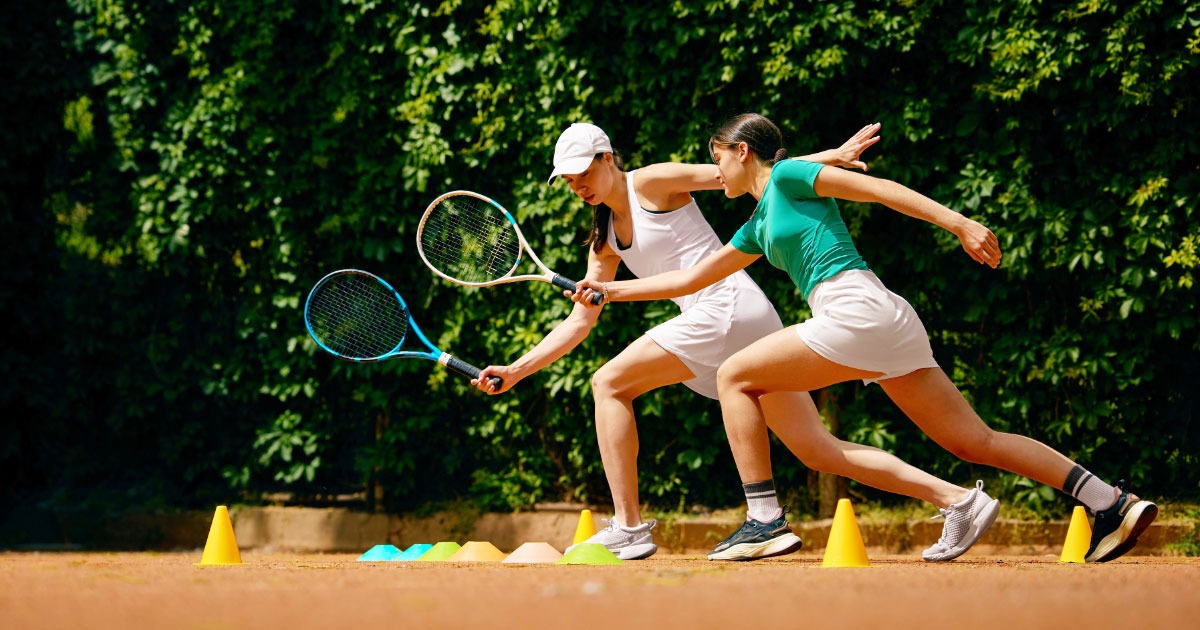
Step 3: Activate Tennis-Specific Footwork
After warming up, it’s time to practice movements that mimic real incoming shots. Here’s an example of the split step, crossover step, lateral shuffle, diagonal acceleration, and deceleration.
The split step is a slight jumping motion timed around the opponent’s contact with the ball. Players should land in such a way that they can instantly run toward where they predict the ball will go.
How Is Technical Preparation Performed?
Technical preparation establishes rhythm, movement coordination, timing, and stroke consistency before competitive play.
Start With Mini-Tennis
Start at the service line and practice hitting slow, controlled shots with a partner. The focus of mini-tennis is on being relaxed, striking the ball properly, keeping balance as well as making sure to hit the ball accurately. Move back toward the baseline and increase the difficulty level of your rally sessions as you go.
Rehearse Groundstrokes and Net Play
It is advised to practice forehand and backhand rallies at moderate intensity, followed by practicing deeper shots, changes in directions and topspins. Next, include volleying, hitting, overhead hitting and transitioning. The USTA provides the hitting warm-up exercise lasting 10 minutes, thus including different components such as mini-tennis, baselines, down the line hits and crosses, volleying and serving. usta.com
Prepare the Serve Progressively
When serving, there are significant stressors on the shoulder and the kinetic chain. So, it is suggested to start with shadow swings and low intensity serves before moving towards match speed. Emphasize the importance of a consistent ball toss, appropriate loading, activation of the legs, shoulder mobility, and controlled acceleration.
What Does Early Racket Preparation Mean in Tennis?
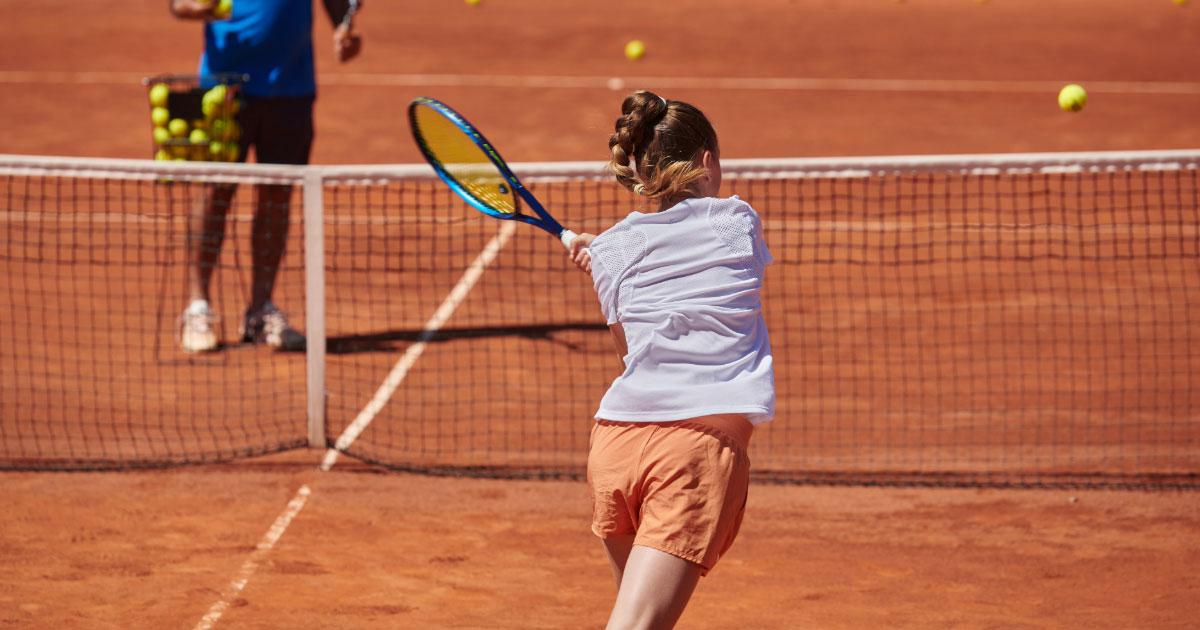
When talking about preparation, it also means the actions that take place prior to hitting the incoming ball. Players have limited time to react to the opponent’s current shot and perform the hit; therefore, good racket preparation is vital.
The following sequence outlines preparation, execution, and recovery. The player should adopt a balanced ready position with knees bent and the racket in front.
- Split step: The athlete executes a little jump timed around the opponent’s contact with the ball.
- Unit turn: The athlete pivots the shoulders and torso towards either the forehand or the backhand side when preparing to strike the ball.
- Positioning: The athlete uses adjustment steps to gain correct distance and a balanced hitting position.
- Execution and recovery: The athlete strikes the ball with controlled acceleration and completes follow-through following which he returns to an appropriate recovery position. s3.amazonaws.com
The unit turn is crucial because it creates the torso rotation ahead of time and allows for a racket preparation process without unnecessary hurry. Players who tend to prepare too late in their turn may hit the ball closer to their body than necessary, lose their balance, or have to use excessive movement of their arms.
How Do Nutrition and Hydration Affect Tennis Preparation?
Tennis requires repeated high-energy efforts. According to the United States Tennis Association, it is advisable to consume a meal containing carbohydrates, proteins, and fats about 3-4 hours prior to the competition. Depending on one’s tolerance, it may also be suitable to consume a snack high in carbohydrates 15-60 minutes before getting engaged. USTA.com
There are different factors round the importance of hydration. Players must hydrate prior to the match, carry enough fluids to maintain hydration during play, and replenish fluids according to individual needs without over-consuming liquids. Drinks containing electrolytes can help replace sweat losses when sweating heavily or playing for a long time.
After finishing the competition, the player needs to consume both carbs and proteins for restoring energy and recovering their muscles. USTA
How Is Mental and Tactical Preparation Done?

Physical readiness does not automatically produce strong competitive performances. Players also need reliable decision-making processes and emotional control.
Develop a Match Strategy
Prior to the match, it’s essential to analyze an adversary’s distinctive way of playing, positioning on the court, movement, and any areas where there could be faults. A general strategy for singles could include playing deep crosscourt shots, making a consistent first serve, and playing aggressively against shorter shots. In the case of doubles, preparation should include establishing a line of communication, positioning a serve, returning serves properly, poaching, and covering one’s partner.
Establish a Pre-Point Routine
Development of consistent routines makes it easier for players to stay clear-minded and avoid potential frustrations the next time they play. For the routine to be useful, the player must: Take note of previous points, but not ponder too long over them.
Take a deep breath and relax the muscles. Set a clear tactical aim. Get back to the right position.
Mental imagery practices can be linked to that process by repeating the shots, following the movement on the court and solving difficulties the players might come across.
How Early Should Players Prepare Before a Match?
The following schedule provides a practical framework for recreational and competitive players.
| Time Before Play | Recommended Preparation |
|---|---|
| 3-4 hours | Eat a balanced pre-match meal |
| 45-60 minutes | Arrive, organize equipment, review strategy |
| 25-35 minutes | Begin cardiovascular activity and dynamic mobility |
| 15-25 minutes | Practice tennis-specific movement and shadow swings |
| 5-15 minutes | Complete progressive hitting and serving, where court access permits |
| Immediately before play | Review tactical cues and establish mental focus |
Adjustments can be made to the sequence in order to allow access to the court, practice, and tournament schedules. According to the International Tennis Federation’s Rules of Tennis, the official warm-up on court lasts for a maximum of five minutes unless tournament organizers choose otherwise. Consequently, players should carry out their physical preparation prior to the start of the proper warm-up. itftennis.com
How Does Tennis Preparation Differ for Juniors and Adults?
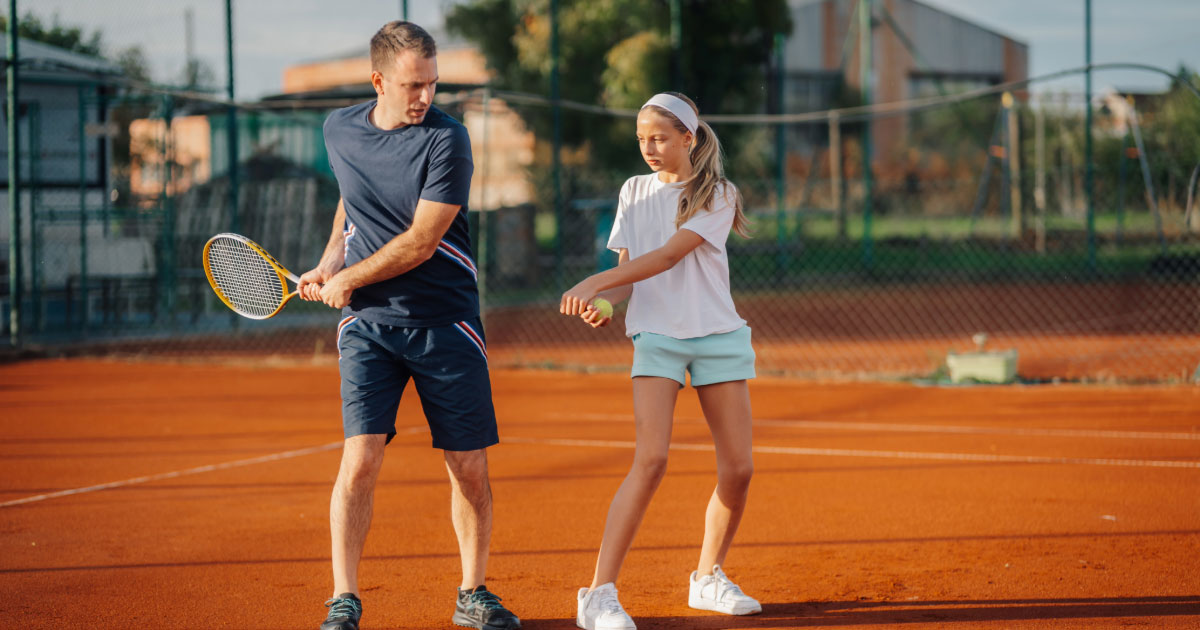
Coaching for juniors should focus on skills related to coordination, basic motor skills and age-appropriate play, in avoiding use of training practices and training intensity associated with adults. Red, orange and green balls are introduced through the Tennis10s system, which are about 75%, 50% and 25% slower than the standard yellow tennis ball respectively. The ball adjustment provides players with time to work on footwork, understand trajectories and execute stroke mechanics. itftennis.com
People of any age should adjust their preparation to their training background, flexibility, condition of their body, and requirements for recovery. Older amateurs or athletes returning to training should take it easy and gradually increase the intensity of their training. In all cases, preparation must be adjusted to the person’s capacity rather than applied from professional training or adaptations.
What Are Common Tennis Preparation Mistakes?
The performance can suffer due to many mistakes that can be avoided.
Skipping the warm-up: Starting to play hard games or serve intensively without warming up. Not the best moment to go into racket’s preparation: Delaying the unit turn until there is too little time to prepare a controlled stroke.
Forgetting about drinking water: Arriving to the match dehydrated or not thinking about long matches beforehand. Working out hard just before competition: Training almost to the exhaustion right before the important match.
Neglecting mental processes: Allowing negative feelings such as frustration and anxiety to affect decision-making in regard to which strokes to use. Using inappropriate equipment: Making shots with the wrong shoes, unserviceable strings, or a badly adjusted racket. Dealing with these issues will help make preparation routines more effective and relevant.
Frequently Asked Questions About Tennis Preparation
Here are a few of the most commonly asked questions students have about preparring for a tourney:
How Long Should a Tennis Warm-Up Last?
A physical and technical warm-up may take about 15-30 minutes, with the duration adjusted to the player’s requirements and the accessibility of the facilities. This warm-up should not be confused with the official on-court warm-up, which, under ITF regulations, does not exceed five minutes unless otherwise specified by the organizers.
Should Tennis Players Stretch Before Playing?
Yes. Dynamic stretching is generally preferable immediately before tennis because it prepares muscles through active movement. Longer static stretching sessions are better reserved for separate flexibility work or after competition.
What Is the Most Important Part of Tennis Shot Preparation?
Early recognition, balanced footwork, and timely racket preparation work together. The split step initiates responsive movement, while the unit turn prepares the torso and racket for an efficient stroke.
How Can Beginners Improve Tennis Preparation?
New players should try to have a proper ready position, know when to perform their split step, turn their shoulders early, and practice effective warm-up routines. Additionally, controlled feed drills and proper coaching would be important so that people can stay on top of their game before they start their first competitive practice.
Does Proper Preparation Make Tennis Players More Consistent?
Preparation supports consistency by improving readiness, positioning, timing, and concentration. However, long-term improvements also depend on technical instruction, deliberate practice, fitness development, and competitive experience.
Improve Your Tennis Preparation With Basha Tennis
The process of preparing for tennis involves all aspects of fitness, technique, tactics, nutrition, and mental endurance. The journey starts even before the player reaches the court and continues throughout. Well-designed dynamic warm-up exercises, proper racket preparation, good footwork, a relevant pre-point routine, and a reasonable recovery plan can help the tennis player improve performance consistency.
Adults and juniors ages 4 to 18 can acquire crucial skills at Basha Tennis located in Mountlake Terrace, Washington through aid of tennis experts and specialized training programs. It doesn’t matter if you are new at learning the basics of tennis or you prepare yourself for tournaments, just take a look at available tennis lessons for adults and children at Basha Tennis and find the most suitable training programs for you. bashatennis.com
Make sure to visit the Basha Tennis blog for more coaching tips, take a look at the glossary for information related to tennis terminology and check out the pickleball courts at the club’s facilities for other options in paddle sports. Visit Basha Tennis to find out more about the offered programs.


